Pay Off Debt or Save First? A Simple Way to Decide

Should you pay off debt or save first? The honest answer is “a bit of both”, in the right order. High-interest debt usually costs far more than savings earn, but having no savings means the next surprise goes straight back on a credit card. Here is a simple order many people follow.
Quick answer
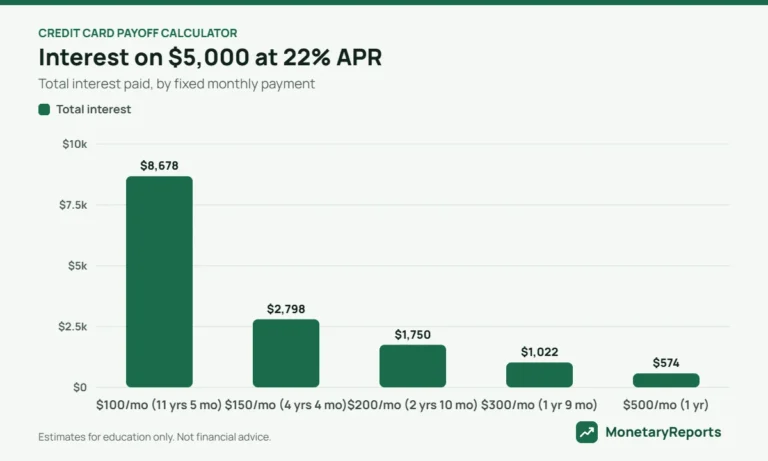
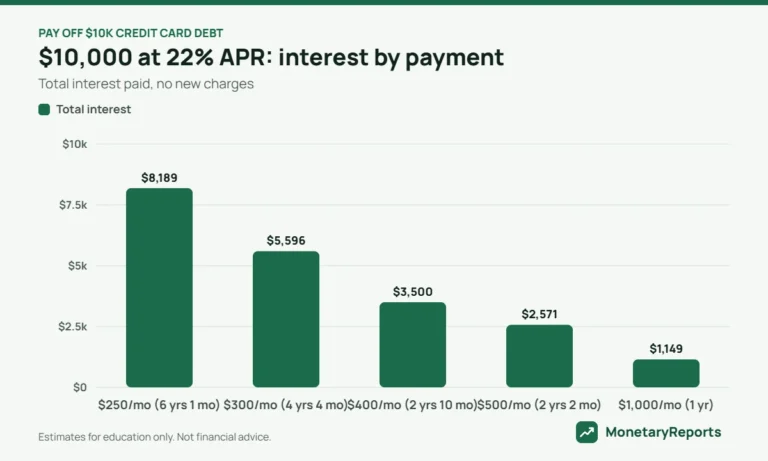
A common order is: 1) build a starter emergency fund (about $1,000 or one month of expenses), 2) get any employer 401(k) match, 3) pay off high-interest debt, 4) finish a full emergency fund, 5) invest more. $1,000 at 4% earns about $40 a year; $1,000 of card debt at 22% costs about $220.
The math: interest earned vs interest paid
Paying off a 22% credit card is like earning a guaranteed 22% return, far more than a savings account. But keeping some cash avoids new debt when something breaks.
Pay off debt or save first: a simple order to follow
- Starter emergency fund: $1,000 or about one month of essential expenses in a high-yield savings account.
- Employer match: contribute enough to get it; it is an instant return.
- High-interest debt: credit cards and other debt above roughly 8% to 10%, using the avalanche or snowball method.
- Full emergency fund: 3 to 6 months of essential expenses.
- More investing and goals: retirement, house, other goals.
What about low-interest debt?
For debt below about 4% to 5%, such as some mortgages or older car loans, many people keep paying normally and invest extra money instead, because long-term investments have historically earned more. It also depends on how much you value being debt-free.
What this means for you
- Do not drain every dollar of savings to pay debt; keep a cushion.
- Never miss the employer match.
- High-interest debt first, then build savings fully.
Frequently asked questions
Should I pay off debt or save first?
Usually a small emergency fund first, then high-interest debt, then a full emergency fund and investing.
Is it smart to use savings to pay off credit cards?
Using part of it can be, but keep a starter emergency fund so you do not end up back in debt.
What counts as high-interest debt?
Most credit cards and many personal loans. A common rule of thumb is anything above about 8% to 10%.
Should I invest while I have student loans?
It depends on the rate. Many people get the employer match and invest while paying low-rate loans on schedule.
How big should my starter emergency fund be?
Many people aim for $1,000 or one month of essential expenses.
Related guides and calculators
- Emergency fund calculator
- Debt snowball vs debt avalanche
- 401(k) employer match explained
- Credit card payoff calculator
Sources
- Consumer Financial Protection Bureau (CFPB)
- Federal Reserve: Consumer credit (G.19)
- FDIC: National rates and rate caps
- MonetaryReports: How we calculate
This guide is for educational purposes only and is not financial advice. The figures are estimates before taxes, fees and inflation, and real rates, returns and rules change over time.